
Proper Telehealth BMI & Healthy Weight Page
Understanding Your Weight Is a Good Place to Start
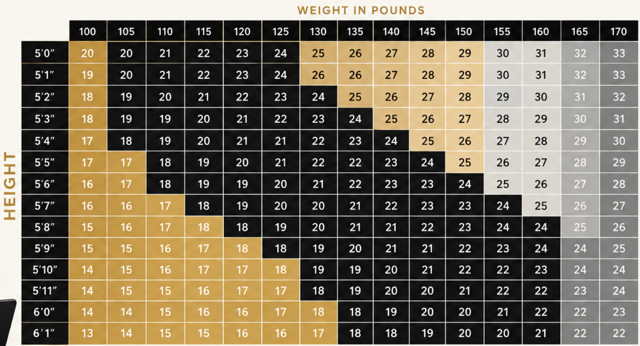
Weight is only one part of your health, but understanding your BMI can provide a helpful starting point. Use our calculator to estimate your BMI, view your general weight category and learn what other health factors may matter.
| BMI Range | General Category |
|---|---|
| Below 18.5 | Underweight |
| 18.5 – 24.9 | Healthy Weight |
| 25.0 – 29.9 | Overweight |
| 30.0 – 34.9 | Obesity Class 1 |
| 35.0 – 39.9 | Obesity Class 2 |
| 40.0 or Higher | Obesity Class 3 |
General Healthy-Weight Range for Your Height
This range is a general screening reference rather than a required goal. A healthy and sustainable weight can be influenced by muscle mass, body composition, age, medications, medical history and individual health needs.

Your Health Is More Than a Number
BMI is helpful because it is simple, inexpensive and easy to track. However, it does not directly measure body fat or show where body fat is carried. It also cannot distinguish muscle from fat or fully represent a person’s metabolic health.
- Body Composition
- Waist Circumference
- Blood Pressure
- Laboratory Results
- Medications and Health Conditions
- Sleep, Stress and Daily Habits
Why Waist Circumference Matters
Where the body stores fat can be as important as total body weight. A larger waist circumference may indicate more abdominal or visceral fat, which can be associated with greater metabolic and cardiovascular risk.
General screening thresholds
- 35 inches for women
- 40 inches for men
How to Measure Your Waist
- Stand upright and breathe normally.
- Place a flexible measuring tape around your abdomen at approximately the level just above your hip bones.
- Keep the tape level and snug without compressing your skin.
- Measure after breathing out normally.
Not All Body Fat Is the Same
Subcutaneous fat sits beneath the skin. Visceral fat is stored deeper within the abdomen around internal organs.
Higher levels of visceral fat can be associated with insulin resistance, cardiovascular disease and other metabolic concerns. Waist circumference can offer a simple, indirect clue about abdominal fat, although it does not measure visceral fat directly.
Why Weight Can Affect Your Health
Excess weight does not affect every person in the same way. However, overweight and obesity may increase the likelihood of several health conditions, including:
- Type 2 diabetes
- High blood pressure
- Heart disease
- Stroke
- Sleep apnea
- Joint discomfort
- Fatty liver disease
- Certain cancers
- Reduced mobility
- Reproductive or hormonal concerns
When the Number Needs More Context
BMI may not fully reflect body composition or health status for:
- People with significant muscle mass
- Older adults who have lost muscle
- Pregnant patients
- People with swelling or fluid retention
- People who have recently experienced major weight changes
- Certain racial and ethnic populations
- Patients with chronic or complex medical conditions
A healthcare provider can help interpret BMI alongside your medical history, vital signs, laboratory results and personal health goals.
Why Your Weight May Change Over Time
Weight and body composition can change with age because of shifts in muscle mass, hormones, sleep, activity, medications and metabolic health.
Especially relevant for:
- Menopause
- Loss of muscle mass with aging
- Changes in fat distribution
- Medication-related weight changes
- Reduced activity because of pain or illness
Weight Management Is Not a Character Test
Weight is influenced by far more than motivation or willpower. Genetics, hormones, sleep, stress, medications, medical conditions, environment and daily routines can all play a role.
At Proper Telehealth, we take time to understand what may be affecting your progress. Together, we can create a realistic plan that supports your health without shame, judgment or impossible expectations.
Ready to Look Beyond the Number?
Your BMI can be a useful starting point, but it does not tell your full story. A Proper Telehealth weight-management appointment gives you the opportunity to discuss your health history, previous efforts, challenges and goals with a provider who will listen.
BMI Questions, Properly Answered
Is BMI different for men and women?
No. The adult BMI formula and standard BMI categories are the same for men and women. However, body composition and patterns of fat distribution may differ, which is why BMI should be interpreted with other measurements.
Does age affect my BMI?
Age is not included in the adult BMI formula. However, age-related changes in muscle mass, hormones and fat distribution may affect how the result is interpreted.
Is BMI an accurate measure of body fat?
BMI estimates weight status using height and weight. It does not directly measure body fat or distinguish muscle from fat.
Can I have a healthy BMI and still have health risks?
Yes. A person can have a BMI in the healthy range while still having elevated blood pressure, abnormal laboratory results, a high waist circumference or other health concerns.
Can I have a higher BMI and still be healthy?
Yes. BMI does not provide a complete assessment of an individual’s health. Medical history, body composition, blood pressure, laboratory results, fitness and other factors should also be considered.
What BMI qualifies someone for weight-loss medication?
Eligibility for prescription weight-management medication depends on more than BMI alone. Medical history, health conditions, previous treatment efforts, medication safety and applicable prescribing criteria must also be reviewed.
What is a realistic weight-loss goal?
A realistic goal is individualized. It should take into account your current health, starting weight, medical history, treatment plan and what can be maintained safely over time.
Do I need to reach a “normal” BMI?
Not necessarily. Meaningful improvements in blood pressure, glucose, mobility, sleep and quality of life may occur before someone reaches a particular BMI category. Treatment goals should be personalized rather than based on one number alone.
Medical disclaimer
Information and calculator results on this page are provided for general educational purposes and are not a diagnosis or substitute for individualized medical advice. BMI is one screening measurement and should be interpreted with other health information. Contact a qualified healthcare provider regarding questions about your health, weight or treatment options.
Weight Management Learning Center
Evidence-based education. Practical guidance. No judgment.
Whether you’re just beginning your weight-loss journey or looking for answers along the way, our goal is to help you understand the science behind weight management so you can make informed decisions with confidence.

BMI & Healthy Weight
Learn what your BMI means, calculate your BMI, explore healthy weight ranges and discover why your health is much more than a number.
Understanding GLP-1 Medications
Topics include:
- What are GLP-1 medications?
- How do they work?
- Expected weight loss
- Common side effects
- Frequently asked questions


Healthy Eating Without Diet Culture
Topics:
- Protein goals
- Fiber
- Healthy carbohydrates
- Portion sizes
- Meal timing
- Building sustainable habits
ADHD & Weight
Topics:
- Dopamine and food
- Emotional eating
- Binge eating
- Executive dysfunction
- Meal planning
- ADHD medications and appetite
I honestly don’t see many clinics covering this well, and it fits your practice perfectly.


Why Losing Weight Gets Harder
Topics:
- Metabolism
- Hormones
- Menopause
- Muscle loss
- Aging
- Insulin resistance
Preserving Muscle While Losing Weight
Topics:
- Protein
- Resistance exercise
- Walking
- Why muscle matters
- Healthy rate of weight loss


Sleep & Weight
Topics:
- Sleep deprivation
- Cortisol
- Hunger hormones
- Shift work
- Sleep apnea
Emotional Health & Weight
Topics:
- Stress
- Anxiety
- Depression
- Self-compassion
- Motivation


Setting Realistic Expectations
Topics:
- What healthy weight loss looks like
- Plateaus
- Non-scale victories
- Long-term success
Reading Nutrition Labels
Simple guide explaining:
- Calories
- Protein
- Fiber
- Added sugars
- Serving sizes


Meal Planning Made Simple
Include downloadable examples like:
- High-protein breakfast ideas
- Easy lunches
- Family dinners
- Healthy snacks